Newport News expects homeowners and private businesses to correct code violations by the deadline. Its notices warn that failing to comply can lead to City-ordered corrective work, charges against the property, and even a court summons.
But at the Piggly Wiggly at 3101 Jefferson Avenue, a property owned by the Newport News Economic Development Authority, the City’s own records show a much different timeline.
The question is simple: Did Newport News hold its own public landlord to the same standard it expects from everyone else?
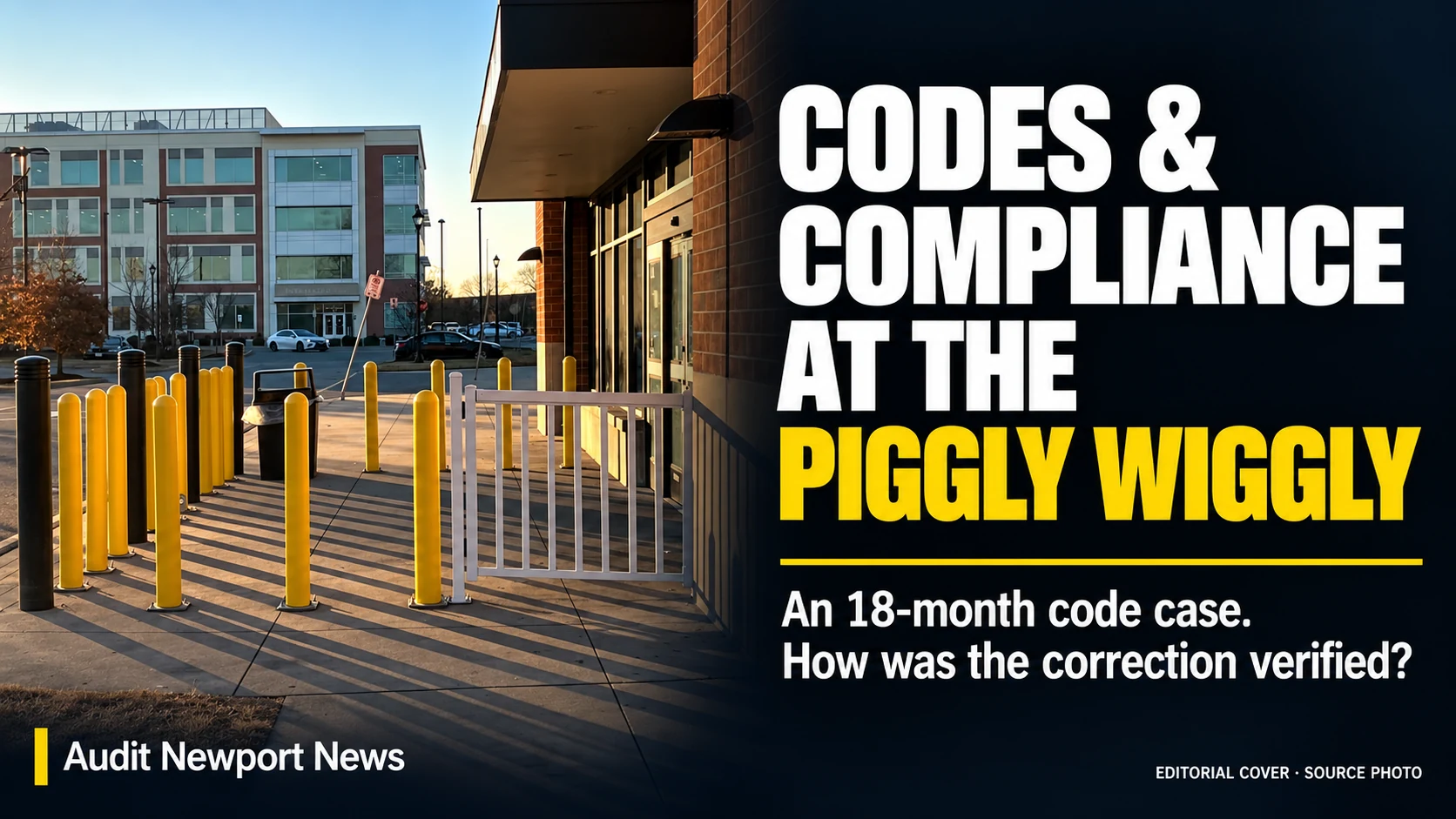
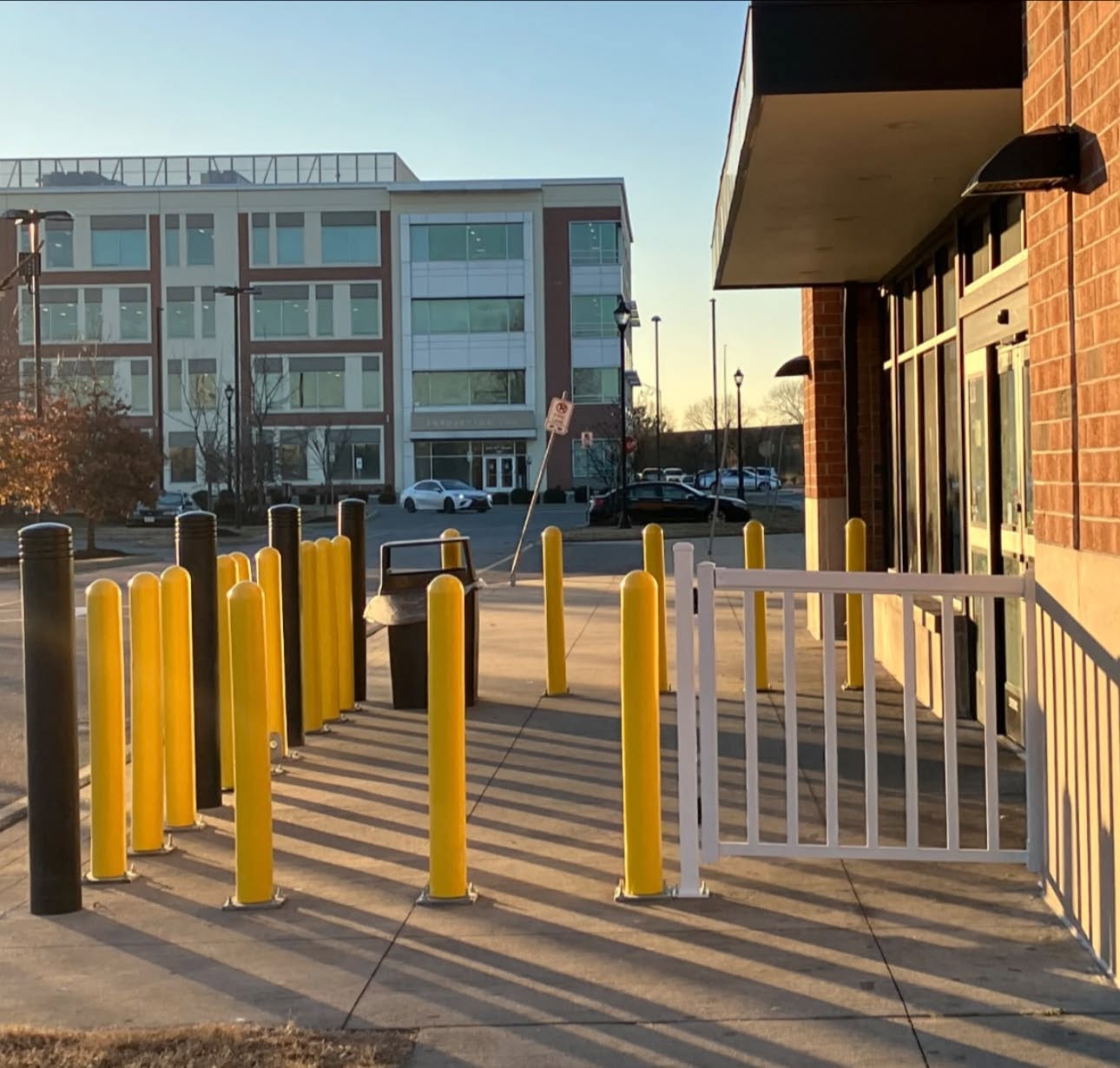
In January 2024, City officials identified the gate-and-bollard arrangement outside the store as an access, egress, life-safety, and disability-access problem. The formal code case cited inadequate aisle width, failure to maintain an emergency escape opening, and failure to provide the required path of travel.
The violation notice went to the Economic Development Authority as the property owner or party with an interest. Public assessment records confirm the Authority owns the parcel. The deadline for correction was February 22, 2024.
This was not a minor complaint about an inconvenient entrance.
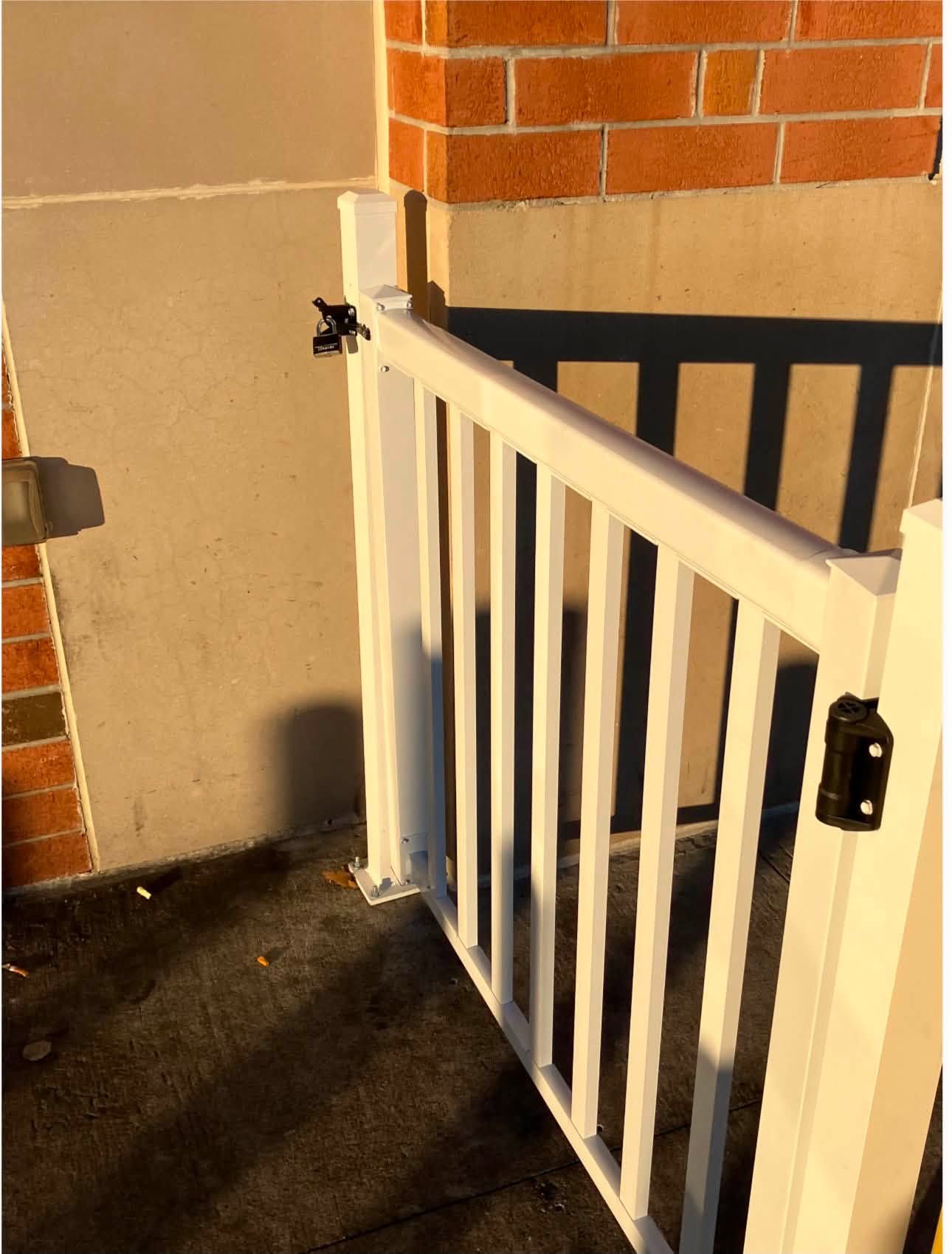
City correspondence described the bollards as approximately 22 inches apart and the gate lock as requiring “special knowledge” to operate. The Fire Marshal later allowed the bollard spacing to remain, but only under a clear condition: a disabled person using a wheelchair or other wheeled device had to be able to open the gate and exit without help from a store employee while the store was open.
City records show that condition did not reliably hold.
In August 2024, a wheelchair user reported that the gate was locked and that someone had to go inside to find a clerk. The following month, that same resident reported being locked out before shopping and then unable to exit afterward.
A City inspector visited, found the lock still on the gate, and wrote that repeatedly telling management not to lock it was “not working” and that a permanent fix might be necessary.
Yet that same courtesy case was marked Passed and Closed in Compliance even as the inspector documented that the lock remained and the existing approach was failing.
The record does not explain whether “Passed” meant the property was actually compliant, whether the complaint was transferred into the larger code case, or whether it was simply an administrative entry. On its face, the disposition does not match the inspector’s written observations.
The main property-maintenance case stayed open for roughly 18 months.
Piggly Wiggly failed inspections on;
- February 23, 2024;
- March 25, 2024;
- March 25, 2025;
- April 24, 2025;
- and again at 8:45 a.m. on July 31, 2025.
Then, at 12:12 p.m. that same day — three hours and 27 minutes later — the property passed and the case was closed in compliance.
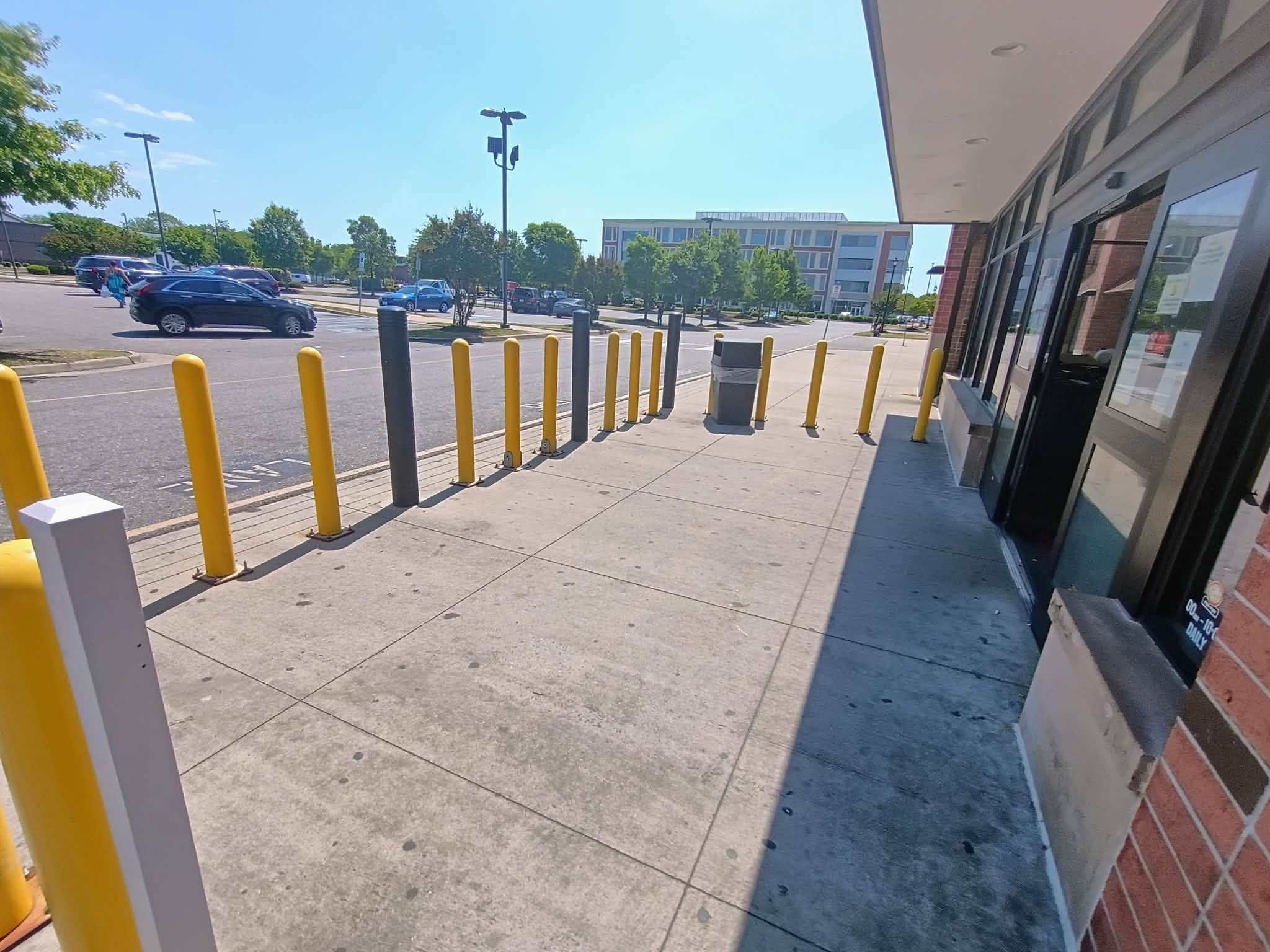
The official final-inspection photograph shows the white gate no longer spanning the walkway. A current field photograph also shows the route open. The evidence indicates a physical correction was eventually made.
But the produced case file does not explain how the City verified that correction. The inspection report contains blank checklist-comment fields for both the morning failure and the afternoon pass. The records contain no final measurements of the accessible route, no documented operational test, no written Fire Marshal confirmation, no detailed final narrative, and no explanation of why the changed configuration satisfied every cited violation and the earlier Fire Marshal condition.
The governing lease makes this more than a store-manager problem.
It placed substantial duties on the landlord and EDA side for sidewalks, entrances and exits, common access drives, parking areas, exterior maintenance, security devices, and compliance with governmental public-health and safety requirements. The lease also required prior written landlord approval for most tenant alterations.
That does not yet prove the EDA alone installed, owned, funded, or controlled this exact gate. The full site plan and Parking Agreement are still needed to determine exactly where the gate sat and which contractual provision controlled it.
But the lease makes one thing clear: the entrance and exterior access system were not automatically the store manager’s responsibility alone.
A 2018 amendment authorized landlord contributions toward security services and up to $20,000 in tenant-requested security-system improvements. The current record does not prove the gate, lock, or bollards were purchased or funded under that provision. It does raise a necessary question: Did the landlord or EDA approve, fund, reimburse, purchase, or retain ownership of any part of the system that later became the subject of repeated safety violations?
Newport News public entities occupied multiple roles in this case.
The EDA owned the property and collected the rent.
The landlord/EDA structure carried substantial responsibilities for exterior access and maintenance. Codes Compliance issued the violations.
The Fire Marshal imposed the operating condition.
City inspectors documented that the condition failed.
And the City’s own system ultimately declared the property compliant.
For an ordinary homeowner or private business owner, the expected sequence is clear: Correct the violation. Meet the deadline. Document the work. Pass the inspection.
At the EDA-owned Piggly Wiggly, the public record shows a recognized disability-access and life-safety problem, a conditional approval, a wheelchair user unable to pass through the locked gate, and the same resident later reportedly unable to exit. An inspector stated that management’s practice was not working. There were five failed inspections and an approximately 18-month enforcement case. A failed inspection was followed by a passing inspection three hours and 27 minutes later without a complete written verification trail.
The evidence does not establish corruption. It does not establish that the final correction was improper. And the photographs indicate that the physical barrier was ultimately addressed.
But the City’s own records support a serious accountability question.
Newport News documented the danger, documented that the condition recurred, and documented an apparent physical correction. What the produced file does not document is how that correction was tested, approved, and verified before the case was closed.
Who approved the original gate-and-bollard system?
Was it considered a tenant alteration, a common-area feature, or a landlord-funded security improvement?
What action did the EDA take after receiving formal notice?
Why was the September 2024 courtesy case marked passed while the inspector documented that the lock remained?
What exactly changed between 8:45 a.m. and 12:12 p.m. on July 31, 2025?
And where are the measurements, testing, approvals, and sign-offs showing that the final condition permanently satisfied the violations and the Fire Marshal’s condition?
The gate appears gone.
The accountability questions remain.
City of Newport News, VA - Government
Newport News Fire Department
Newport News Economic Development Authority
City of Newport News Department of Public Works
#NewportNews #PigglyWiggly #CodeCompliance #PublicAccountability #DisabilityAccess #WheelchairAccess #EconomicDevelopmentAuthority #Transparency #AuditNewportNews #HoldThemAccountable